When Barnabas and Saul had finished their mission, they returned from Jerusalem, taking with them John, also called Mark. Now in the church at Antioch there were prophets and teachers: Barnabas, Simeon called Niger, Lucius of Cyrene, Manaen (who had been brought up with Herod the tetrarch) and Saul. While they were worshipping the Lord and fasting, the Holy Spirit said, ‘Set apart for me Barnabas and Saul for the work to which I have called them.’ So after they had fasted and prayed, they paced their hands on them and sent them off.
* * *
In Acts 11: 27 – 30, we read how the disciples in Antioch wanted to send a gift to the church in Jerusalem. They had heard how the church there was suffering because of a famine. Barnabas and Saul were charged with the safe delivery of this gift. This is the mission referred to in Acts 12: 25. “When Barnabas and Saul had finished their mission, they returned from Jerusalem.”
They brought with them John, also called Mark. We have already been introduced to John Mark in the story of Peter’s miraculous escape from prison (Acts 12: 12). As a result, we know that his mother, Mary, was a significant figure in the church in Jerusalem. We can also infer that John Mark would have known St Peter, because it was to Mary’s house that Peter went first to let James and the other brothers and sisters know that he had been freed. What a good writer St Luke was!
During the period after their return, Barnabas and Saul were with the others “worshipping the Lord and fasting”. This passage is making demands on me. I shall set aside regular time devoted to worship. I shall read about the purpose of fasting; I don’t fast currently.
As they worshipped, the brothers and sisters were listening expectantly for the voice of the Holy Spirit. Sure enough, the Spirit spoke to them and said: “Set apart for me Barnabas and Saul for the work to which I have called them.”
They were obedient. They fasted and prayed, placed their hands on them, and sent them off.
I wonder if the Great Commission was in their minds as they left?
“Therefore go and make disciples of all nations, baptising them in the name of the Father and of the Son and of the Holy Spirit, and teaching them to obey everything I have commanded you. And surely I am with you always, to the very end of the age.” (Matthew 28: 19 – 20)
Prayer
Heavenly Father
Thank you for your love for me. Please help me to love and worship you as well as I can.
Then Herod went from Judea to Caesarea and stayed there. He had been quarrelling with the people of Tyre and Sidon; they now joined together and sought an audience with him. After securing the support of Blastus, a trusted personal servant of the king, they asked for peace because they depended on the king’s country for their food supply.
On the appointed day, Herod, wearing his royal robes, sat on his throne and delivered a public address to the people. They shouted, ‘This is the voice of a god, not of a man.’ Immediately, because Herod did not give praise to God, an angel of the Lord struck him down, and he was eaten by worms and died.
But the word of God continued to spread and flourish.
* * *
This is one of the rare passages of the bible that is directly supported by an account of the same event by a historian of the time. Josephus records this story in his “Antiquities of the Jews”, giving even more detail. According to Josephus, Herod was wearing a robe made entirely of silver, which reflected the morning sun in a way that struck awe and terror into the hearts of the spectators.
In the manner of the period, the crowd responded by hailing Herod, flattering him as someone supernatural, someone beyond them.
They shouted, ‘This is the voice of a god, not of a man.’
Now, to a Jew this was a most horrible blasphemy. Herod, who was a Jew and had previously shown some zeal in defending Judaism, should have immediately disclaimed the flattery and given the glory to God – but he didn’t. Then, according to both Josephus and St Luke, Herod collapsed and subsequently died in agony.
Many commentators view Herod’s death as God’s punishment for his blasphemy, making him a public example. I wonder if that’s actually the case? Do all blasphemers get struck down promptly? Is every one of the millions of people who die agonisingly from cancer every year being punished for their sin? I don’t think so. I don’t feel at all convinced that God ‘takes vengeance’ on human beings; he simply doesn’t need to.
Which is not to say that God didn’t end Herod’s life, and in a way that furthered his plan. Herod was persecuting the Christian church; he’d killed James and tried to kill Peter. He’d shown his determination to continue when he executed the guards for Peter’s escape. If he’d remained alive and in power, he might have done untold damage to the church. Herod was obsessed with power; his whole life had been spent gaining it, and the only way he would relinquish it was by dying.
I wonder, too, whether God allows us to misinterpret his motives? For example, Abraham thought that he was proving his faith to God, when he was prepared to sacrifice his son, Isaac. In fact, he was proving his faith in God to himself, and to countless succeeding generations, by his actions. Is it not the case that God lets us believe things that are appropriate to the level of understanding that we have?
Perhaps Herod’s death was brought about by God, who allowed the believers to understand it as a punishment for blasphemy? Did some members of the early church need reminding that they needed to give the glory to God? With the Holy Spirit working miracles through them, there was a risk that they would have been tempted to take the credit for them. That would certainly be a reason for Luke to include the story in this book of Acts.
Whatever the reason for Herod’s death, it was certainly good news for the church. As Luke concludes, “But the word of God continued to spread and flourish.”
Prayer
Heavenly Father
Thank you that you are a compassionate God, who cares tenderly for his creation. Help us to see your compassion more and more clearly, so that we may start to understand better the reality of life in heaven with you.
Acts 12 1 – 19 Peter’s miraculous escape from prison
It was about this time that King Herod arrested some who belonged to the church, intending to persecute them. He had James, the brother of John, put to death with the sword. When he saw that this met with approval among the Jews, he proceeded to seize Peter also.. This happened during the Festival of Unleavened Bread. After arresting him, he put him in prison, handing him over to be guarded by four squads of four soldiers each. Herod intended to bring him out for public trial after the Passover.
So Peter was kept in prison, but the church was earnestly praying to God for him. The night before Herod was to bring him to trial, Peter was sleeping between two soldiers, bound with two chains, and sentries stood guard at the entrance. Suddenly an angel of the Lord appeared and a light shone in the cell. He struck Peter on the side and woke him up. ‘Quick, get up!’ he said, and the chains fell off Peter’s wrists.
Then the angel said to him, ‘Put on your clothes and sandals.’ And Peter did so. ‘Wrap your cloak round you and follow me,’ the angel told him. Peter followed him out of the prison, but he had no idea that what the angel was doing was really happening; he thought he was seeing a vision. They passed the first and second guards and came to the iron gate leading to the city. It opened for them by itself, and they went through it. When they had walked the length of one street, suddenly the angel left him.
Then Peter came to himself and said, ‘Now I know without a doubt that the Lord has sent his angel and rescued me from Herod’s clutches and from everything the Jewish people were hoping would happen.’
When this had dawned on him, he went to the house of Mary the mother of John, also called Mark, where many people had gathered and were praying.. Peter knocked at the outer entrance, and a servant named Rhoda came to open the door. When she recognised Peter’s voice, she was so overjoyed she ran back without opening it and exclaimed, ‘Peter is at the door!’
‘You’re out of your mind,’ they told her. When she kept insisting that it was so, they said, ‘It must be his angel.’
But Peter kept on knocking, and when they opened the door and saw him, they were astonished. Peter motioned with his hand for them for them to be quiet and described how the Lord had brought him out of prison. ‘Tell James and the other brothers and sisters about this,’ he said, and then he left for another place.
In the morning, there was no small commotion among he soldiers as to what had become of Peter. After Herod had a thorough search made for him and did not find him, he cross-examined the guards and ordered that they be executed.
* * *
This rather entertaining story of Peter’s escape from prison carries a strong message. It is this: God’s wisdom is different from the world’s wisdom, and we can trust God’s wisdom to prevail.
Let’s start with Herod. The Jewish community approved of him, because he supported them, and appeared to be (and perhaps actually was) a devout man himself. For example, when Caligula, the Roman Emperor, wanted to erect a statue of himself in the temple in Jerusalem, Herod persuaded him against the idea.
The followers of Jesus were gaining more and more converts from Judaism, and were posing a strong challenge to the Jewish leadership. Herod killed James, and when he saw that this met with the approval of orthodox Jews, he arrested Peter, with the intention of having a show trial after Passover. This would, of course, have found Peter guilty, and sentenced him to death.
These were the actions of a worldly ruler, clever, ruthless, and determined to retain his position as king. This is the wisdom of the world in action.
How did Peter respond to arrest?
With complete trust in God, that’s how.
It’s the night before his trial. When he’s found guilty, he’ll be executed. He’s chained between two soldiers. What does he do? He goes peacefully to sleep. He doesn’t attempt to prepare a defence to whatever charges may be brought against him. He doesn’t fret. He doesn’t worry. He has put himself completely into the hands of God and trusts him totally.
In fact, he’s so much at peace that the angel who rescues him has to strike him on the side to wake him, and says ‘Quick, get up!’. Even then, Peter thinks he’s having a vision! It’s only when the angel leaves him, and he finds he’s still out of gaol that he realises he’s been rescued by God. His confidence in God is so great that instead of going immediately to a place of safety, he goes to the house of Mary, the mother of John Mark. He knows that the believers will have gathered there to pray for him, and he wants to show them that their prayers have been answered.
How did the believers receive Peter? They had been praying earnestly for him. There was a knocking on the door. Rhoda went to the door and heard Peter’s voice. Leaving the door closed, she ran into the assembly and called out the joyful news. And the brothers and sisters didn’t believe it! They didn’t believe the answer to prayer, even when one of their own number shouted it out loud! How would they ever believe the promptings of the Holy Spirit?
In this instance they were constrained by the wisdom of this world, and as a result they were in chains.
Peter trusted in God, and was aware of the Holy Spirit – that is why he could confuse the reality of his escape with a vision. When the Holy Spirit spoke to him, it was as real as daily life to him. Peter lived by the wisdom of God. Chains, iron doors and guards were no barrier to the power of God to set him free. God had much more work for Peter to do, and Peter was ready to do it!
Prayer
Heavenly Father
Thank you for the guidance of your Holy Spirit. Please help me to listen better and to be more obedient.
Now those who had been scattered by the persecution that broke out when Stephen was killed travelled as far as Phoenicia, Cyprus and Antioch, spreading the word only among Jews. Some of them, however, men from Cyprus and Cyrene, went to Antioch and began to speak to Greeks also, telling them the good news about the Lord Jesus. The Lord’s hand was with them, and a great number of people believed and turned to the Lord.
News of this reached the church in Jerusalem, and they sent Barnabas to Antioch. When he arrived and saw what the grace of God had done, he was glad and encouraged them all to remain true to the Lord with all their hearts. He was a good man, full of the Holy Spirit and faith, and a great number of people were brought to the Lord.
Then Barnabas went to Tarsus to look for Saul, and when he found him, he brought him to Antioch. So for a whole year Barnabas and Saul met with the church and taught great numbers of people. The disciples were called Christians first at Antioch.
During this time some prophets came down from Jerusalem to Antioch. One of them, named Agabus, stood up and through the Spirit predicted that a severe famine would spread over the entire Roman world. (This happened during the reign of Claudius.) The disciples, as each one was able, decided to provide help for the brothers and sisters living in Judea. This they did, sending their gift to the elders by Barnabas and Saul.
* * *
This short passage captures another moment in the transition of Christianity from a variant of Judaism to a religion in its own right. The church in Antioch starts to tell Greeks, who were Gentiles, the good news of Jesus. It is the first mission to the Gentiles.
We are told a little about how the early church organised itself. Barnabas, who was himself an apostle, was sent to Antioch. Perhaps there was some kind of council, a group of the faithful who were particularly open to the prompting on the Holy Spirit, who made decisions as to what the church was required to do next.
The passage re-introduces Saul, who has been in Tarsus. Barnabas fetches him from there to Antioch, and the two of them spend a year in Antioch, teaching the believers. Saul is going to play a huge role as we read through the remainder of Acts.
Finally, there’s a rather odd little anecdote about a prediction by a prophet named Agabus from the church in Jerusalem. Through the Holy Spirit he predicted a severe famine throughout the Roman world. There was in fact a severe famine in Syria in 46/47 AD, and it was sufficiently widespread to be recorded by contemporary historians. Josephus, Suetonius and Tacitus all refer to it
(Suetonius in Chapter 18 of his ‘Life of Claudius says, “When there was a scarcity of grain because of long-continued droughts, he (Claudius) was once stopped in the middle of the Forum by a mob and so pelted with abuse and at the same time with pieces of bread, that he was barely able to make his escape to the Palace by a back door; and after this experience he resorted to every possible means to bring grain to Rome, even in the winter season.”)
When I first read about Agabus’ prediction, it felt rather inconsequential, but when I thought longer I found it more helpful.
I think the key to the story is “…Agabus, stood up and through the Spirit predicted…” In a few days’ time we’re going to meet a Jewish sorcerer and false prophet. The story about Agabus is to show us how prophecy should really be done.
The thing is, biblical prophecy is quite different from clairvoyance or second sight or any other supernatural attempts to see the future. It’s always inspired by the Holy Spirit and it always prompts actions that implement God’s plan. In this case, hearing of the predicted famine, “the disciples, as each one was able, decided to provide help for the brothers and sisters living in Judea. This they did, sending their gift to the elders by Barnabas and Saul.”
God wanted the Antioch Christians to have the opportunity to help their brothers and sisters in Judea. It was a demonstration of how Christian churches should support each other in times of hardship. It was clearly part of God’s plan.
Prayer
Heavenly Father
Thank you for the way you bring people to faith in Jesus. Please give us an eagerness to respond to the Holy Spirit’s prompting so that we, too, can help to build your kingdom on earth.
The apostles and the believers throughout Judea heard that the Gentiles also had received the word of God. So when Peter went up to Jerusalem, the circumcised believers criticised him and said, ‘You went into the house of uncircumcised men and ate with them.’
Starting from the beginning, Peter told them the whole story: I was in the city of Joppa praying, and in a trance I saw a vision. I saw something like a large sheet being let down from heaven by its four corners, and it came down to where I was. I looked into it and saw four-footed animals of the earth, wild beasts, reptiles and birds. Then I heard a voice telling me, “Get up, Peter. Kill and eat.”
‘I replied, “Surely not, Lord! Nothing impure of unclean has ever entered my mouth.”
‘The voice spoke from heaven a second time, “Do not call anything impure that God has made clean.” This happened three times, and then it was all pulled up to heaven again.
‘Right then three men who had been sent to me from Caesarea stopped at the house where I was staying. The Spirit told me to have no hesitation about going with them. These six brothers also went with me, and we entered the man’s house. He told us how he had seen an angel appear in his house and say, “Send to Joppa for Simon who is called Peter. He will bring you a message through which you and all your household will be saved.”
‘As I began to speak, the Holy Spirit came on them as he had come on us at the beginning. Then I remembered what the Lord had said: “John baptised with water, but you will be baptised with the Holy Spirit.” So if God gave them the same gift he gave us who believed in the Lord Jesus Christ, who was I to think that I could stand in God’s way?’
When they heard this, they had no further objections and praised God, saying, ‘So then, even to Gentiles God has granted repentance that leads to life.’
* * *
Peter went up to Jerusalem.
Jerusalem was at the very heart of Judaism, and waiting there for Peter were the apostles and believers. All the men among them were circumcised. Circumcision was the physical sign of their Jewish identity. It symbolised that they were set apart from other nations. God had given this as a covenant to Abraham, saying: ‘This is my covenant with you and your descendants after you, the covenant you are to keep: every male among you shall be circumcised.’ (Genesis 17: 10)
So, in the holy city of Jerusalem, men who were indisputably followers of Judaism, called Peter to account: Why had he gone into the house of a Gentile and eaten with Gentiles?
Peter related what had happened. He told of praying, and of the vision of the large sheet filled with animals, and how God had said: “Do not call anything impure that God has made clean.” He told of how, right then, three men from Caesarea arrived and how the Holy Spirit told him to have no hesitation about going with them. He described how when he arrived in Caesarea he was told by Cornelius that an angel had appeared to him and told him to send to Joppa for Simon who is called Peter. He told how, even while he was speaking, the Holy Spirit came on the household “as he had come on us at the beginning”. He puts this in the context of Jesus’ teaching: Then I remembered what the Lord had said: “John baptised with water, but you will be baptised with the Holy Spirit.”
He sums up by saying: ‘So if God gave them the same gift he gave us who believed in the Lord Jesus Christ, who was I to think that I could stand in God’s way?’
Luke records that the believers in Jerusalem were completely convinced by the account Peter gave: When they heard this, they had no further objections and praised God, saying, ‘So then, even to Gentiles God has granted repentance that leads to life.’
This was an extremely important moment in the life of the early church. It was no longer a Jewish sect; it was Christianity.
* * *
This passage has some important lessons for us today.
The episode started with prayer. Peter was praying. What was he praying about? Well, we don’t know, but it wouldn’t be surprising if he was asking for guidance as to what God wanted him to do next.
As a church, are we praying regularly for guidance as to our future actions? How many of our people pray regularly that our church community should receive guidance from God? Are we listening for answers?
Peter had experienced the giving of the Holy Spirit at Pentecost. He knew what the experience was like, and he was receptive to what the Holy Spirit had to say to him and to show him. He paid attention even though at first he didn’t understand the message.
As a church, are we aware of the work of the Holy Spirit in our lives? Do we pay attention to what the Holy Spirit is telling us?
When the Holy Spirit prompted Peter to go with the visitors, Peter was obedient. Likewise, Cornelius was obedient when he sent people to Peter.
It is essential that we act when we recognise what the Holy Spirit is saying to us. If we are not obedient, we oppose God’s plan.
The Holy Spirit validated the whole experience, firstly by the way his guidance made sense of God’s plan – all the actions were appropriate and at the right time – and secondly by the miraculous confirmation that the gift of the Holy Spirit was given to the Gentiles.
If we, as a church, look for the work of the Holy Spirit in our midst, his validation will teach us how to recognise when he is speaking to us.
Peter testified to the apostles and believers about his experience. This broadened the outlook of the believers, and was a vital step in the growth of the Christian church.
How often do we as a church give testimonies about the work of God in our midst?
St Luke reported this event in the Acts of the Apostles, and we’re reading it today, and being encouraged.
Do we keep a written record in our church of the work of God in our midst?
Prayer
Heavenly Father
Thank you for the gift of your Holy Spirit. Please help me to listen more carefully, to act on what I hear, and to be ready to share my experience of your work in my life.
The next day Peter started out with them, and some of the believers from Joppa went along. The following day he arrived in Caesarea. Cornelius was expecting them and had called together his relatives and close friends. As Peter entered the house, Cornelius met him and fell at his feet in reverence. But Peter made him get up. ‘Stand up,’ he said, ‘I am only a man myself.’
While talking with him, Peter went inside and found a large gathering of people. He said to them: ‘You are well aware that it is against our law for a Jew to associate with or visit a Gentile. But God has shown me that I should not call anyone impure or unclean. So when I was sent for, I came without raising any objection. May I ask why you sent for me?’
Cornelius answered: ‘Three days ago I was in my house praying at this hour, at three in the afternoon. Suddenly a man in shining clothes stood before me and said, “Cornelius, God has heard your prayer and remembered your gifts to the poor. Send to Joppa for Simon who is called Peter. He is a guest in the home of Simon the tanner, who lives by the sea.” So I sent for you immediately, and it was good of you to come. Now we are all here in the presence of God to listen to everything the Lord has commanded you to tell us.’
Then Peter began to speak: ‘I now realise how true it is that God does not show favouritism but accepts from every nation the one who fears him and does what is right. You know the message God sent to the people of Israel, announcing the good news of peace through Jesus Christ, who is Lord of all. You know what has happened throughout the province of Judea, beginning in Galilee after the baptism that John preached – how God anointed Jesus of Nazareth with the Holy Spirit and power, and how he went around doing good and healing all who were under the power of the devil, because God was with him.
‘We are witnesses of everything he did in the country of the Jews and in Jerusalem. They killed him by hanging him on a cross, but God raised him from the dead on the third day and caused him to be seen. He was not seen by all the people, but by witnesses whom God had already chosen – by us who ate and drank with him after he rose from the dead. He commanded us to preach to the people and to testify that he is the one whom God appointed as judge of the living and the dead. All the prophets testify about him that everyone who believes in him receives forgiveness of sins through his name.’
While Peter was still speaking these words, the Holy Spirit came upon all who heard the message. The circumcised believers who had come with Peter were astonished that the gift of the Holy Spirit had been poured out even on Gentiles. For they heard them speaking in tongues and praising God.
Then Peter said, ‘Surely no one can stand in the way of their being baptised with water. They have received the Holy Spirit just as we have.’ So he ordered that they be baptised in the name of Jesus Christ. Then they asked Peter to stay with them for a few days.
* * *
Even before Peter had arrived, Cornelius had been telling all his friends. He was very excited by the visit. His house was packed with people. Peter introduces himself, and has Cornelius explain why he asked him to visit. Cornelius’ account confirms the revelations that the Holy Spirit had given Peter. Peter now knows that the vision he saw was an instruction from God to treat Gentiles in exactly the same way as he treats Jews. He understands fully that Gentiles are not a source of ritual impurity.
He responds with a speech to the assembled crowd.
Peter’s speech is a précis of the beliefs of the early church. Luke wasn’t present when Peter spoke the words, so they may not be verbatim, but that doesn’t really matter; this passage is an account of how God makes it known to the early church that Gentiles are acceptable, and the speech encapsulates what a Gentile should believe as a follower of Jesus. Indeed, you might call it a creed.
Let’s break it down into propositions.
You know the message God sent to the people of Israel, announcing the good news of peace through Jesus Christ, who is Lord of all.
The God Peter is speaking about is the God of Abraham, Isaac and Jacob.
You know what has happened throughout the province of Judea, beginning in Galilee after the baptism that John preached.
The events we are believing took place in Judea, beginning in Galilee. John the Baptist was the immediate forerunner of Jesus.
– how God anointed Jesus of Nazareth with the Holy Spirit and power.
The man, Jesus of Nazareth, was anointed by God with the Holy Spirit and with power.
He went around doing good and healing all who were under the power of the devil, because God was with him.
The ministry of Jesus of Nazareth was doing good and healing all those who were under the power of the devil.
‘We are witnesses of everything he did in the country of the Jews and in Jerusalem.
This is an eye-witness account. You can trust it. It really happened – I was there, and I saw it.
They killed him by hanging him on a cross.
Jesus really died on a cross.
God raised him from the dead on the third day and caused him to be seen.
Jesus was visibly raised from the dead, three days after he had been crucified.
He was not seen by all the people, but by witnesses whom God had already chosen – by us who ate and drank with him after he rose from the dead.
Once again, Peter is saying, “Look, this is true. I was there and I experienced it.” He also tells us that it was a real man who had risen, not a ghost, because he had eaten and drunk with the witnesses.
He commanded us to preach to the people and to testify
The reason Peter was with them that day is because the risen Lord Jesus told him to preach and testify.
that he is the one whom God appointed as judge of the living and the dead.
God has appointed Jesus as judge of the living and the dead. [Note: This appears to contradict “For God did not send his Son into the world to condemn the world but to save the world through him” (John 3: 17) and “For I did not come to judge the world but to save the world” (John 12: 47)]
All the prophets testify about him that everyone who believes in him receives forgiveness of sins through his name.’
Everyone who believes in Jesus receives forgiveness of sins through his name.
Peter got to this point in his speech and the Holy Spirit was poured out on all who heard the message. The assembly of new, Gentile followers of Jesus started to speak in tongues and praise the Lord. What an astonishing validation of Peter’s vision! How could there be any doubt that Gentiles were accepted by God just as much as followers of Judaism?
It’s noticeable how the followers of the Way, those who believe in Jesus, are becoming progressively more inclusive. They started in Judea, welcoming everyone including tax collectors and sinners. They spread out, welcoming those on the fringes of Jewish society; Peter was staying in the house of Simon the tanner. Now, they were baptising Gentiles, who were receiving the Holy Spirit. Followers of the Way are parting company with orthodox Judaism; they are becoming Christians.
One final thought. The “creed” that Peter preaches is simple. Your sins are forgiven if you believe in Jesus of Nazareth, who healed the sick, died on the cross, and was raised to life. There are no difficult theological concepts, like the Trinity, holiness, purity, or atonement. That creed is as valid today as it was then.
PRAISE THE LORD!
Prayer
Heavenly Father
Thank you for the preaching of St Peter, as recorded by St Luke in the bible. Thank you for forgiving my sins through the name of Jesus.
About noon the following day as they were on their journey and approaching the city, Peter went up on the roof to pray. He became hungry and wanted something to eat, and while the meal was being prepared, he fell into a trance. He saw heaven opened and something like a large sheet being let down to earth by its four corners. It contained all kinds of four-footed animals, as well as reptiles and birds. Then a voice told him, ‘Get up, Peter. Kill and eat.’
‘Surely not, Lord,’ Peter replied. ‘I have never eaten anything impure or unclean.’
The voice spoke to him a second time, ‘Do not call anything impure that God has made clean.’
This happened three times, and immediately the sheet was taken back to heaven.
While Peter was wondering about the meaning of the vision, the men sent by Cornelius found out where Simon’s house was and stopped at the gate. They called out, asking if Simon who was known as Peter was staying there.
While Peter was still thinking about the vision, the Spirit said to him, ‘Simon, three men are looking for you. So get up and go downstairs. Do not hesitate to go with them, for I have sent them.’
Peter went down and said to the men, ‘I’m the one you are looking for. Why have you come?’
The men replied, ‘We have come from Cornelius the centurion. He is a righteous and God-fearing man, who is respected by all the Jewish people. A holy angel told him to ask you to come to his house so that he could hear what you have to say.’ Then Peter invited the men into the house to be his guests.
* * *
Three times in thirty-six verses Luke tells us that Peter was staying in the house of Simon the tanner. It feels repetitive and slightly clumsy. I can only assume that it’s particularly significant, and that Luke wants us to notice and remember.
Why might that be?
Judaism in first century Palestine was based on a minutely detailed set of rules that governed every part of life. The idea was that because God is holy, his believers should also be holy. Holiness demanded the avoidance of impurity, and the Jewish Law specified literally hundreds of things that would make you ritually unclean. This included many animals; it included corpses, animal as well as human; and, of course, it included Gentiles. You will remember from yesterday that we noted that Cornelius, although a man who feared God, was still a Gentile.
So, what about Simon the tanner?
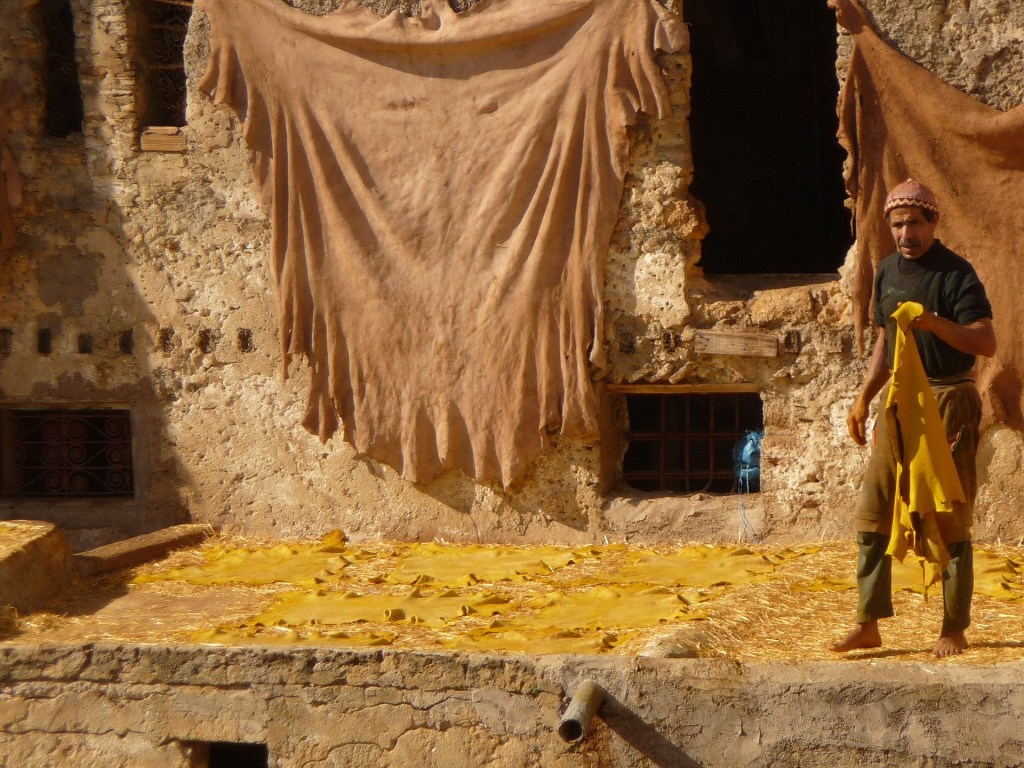
Perhaps surprisingly, Simon wasn’t ritually unclean. There was a need for leather, for scrolls and for straps, especially for those used in worship. It would have been hard to justify using leather if tanners were automatically unclean.
However, tanners stank. No matter how carefully they washed, the smell always clung to them. As a result, they weren’t allowed into the temple, or the synagogue. Their tannery had to be well outside any human settlement. The wife of a tanner had the right to divorce him just because he was a tanner, and this applied even if she had originally agreed!
So Simon the tanner, while not being ritually impure, was excluded from formal worship and was socially right at the bottom.
And Peter was staying with Simon the tanner.
The community of believers, the early church, accepted Simon, despite him being a tanner. We can only imagine what it must have meant to him to be free to worship with other people, and to be fully accepted as part of the community.
While at Simon’s house, Peter had a vision in which he was confronted with an assortment of unclean creatures, and told to kill and eat. As a Jew – because at that time Christianity wasn’t a religion, it was a sect within Judaism – Peter felt bound by the purity laws.
‘Surely not, Lord,’ Peter replied. ‘I have never eaten anything impure or unclean.’
Oops! Wrong answer!
The voice spoke to him a second time, ‘Do not call anything impure that God has made clean.’
Despite this, Peter still wasn’t convinced. Three times the vision repeated the instruction to kill and eat, before it ended.
Peter sat there and wondered about the vision. What on earth could it mean? He’d observed Jewish dietary laws since he was a small child. Why did God seem to be telling him to break the rules? Was it some kind of test?
While he was sitting thinking, the Holy Spirit said to him ‘Simon, three men are looking for you. So get up and go downstairs. Do not hesitate to go with them, for I have sent them.’
Peter went down to them. He was beginning to understand. The men introduced themselves and told him that they had been sent by Cornelius the centurion, a Gentile, for, ‘A holy angel told him to ask you to come to his house so that he could hear what you have to say.’
Peter saw how God had spoken both to Cornelius, and to him, and had sent him this puzzling vision of unclean animals. Perhaps God was telling him that Gentiles were no longer unclean?
At all events, Peter knew what he had to do next.
Then Peter invited the men into the house to be his guests.
And tomorrow he must go with the men to Caesarea.
Prayer
Lord Jesus, thank you for being close to me today. Thank you for your comforting hand, and for your guidance.
At Caesarea there was a man named Cornelius, a centurion in what was known as the Italian Regiment. He and all his family were devout and God-fearing; he gave generously to those in need and prayed to God regularly. One day at about three in the afternoon he had a vision. He distinctly saw an angel of God, who came to him and said, ‘Cornelius!’
Cornelius stared at him in fear. ‘What is it, Lord?’ he asked.
The angel answered, ‘Your prayers and gifts to the poor have come up as a memorial offering before God. Now send men to Joppa to bring back a man named Simon, who is called Peter. He is staying with Simon the tanner, whose house is by the sea.’
When the angel who spoke to him had gone, Cornelius called two of his servants and a devout soldier who was one of his attendants. He told them everything that had happened and sent them to Joppa.
* * *
Let’s start by looking at Cornelius. He was not a Jew by birth. He was not a Jew by conversion. He was a God-fearing person. This meant that he acknowledged the Jewish God as the one, true God, and he obeyed a number of Jewish laws. The Hellenistic Jews of the first to third centuries A.D. recognised such people and welcomed them into the synagogue.
Being a God-fearer made a real difference to Cornelius’ life. He prayed regularly to God, and gave generously to those in need. Furthermore, his example was such that his whole family were God-fearing.
Nevertheless, because Cornelius was not a convert, he remained a Gentile. This meant that any Jew entering his house would become ritually unclean.
Having been introduced to Cornelius, we are told that, “He distinctly saw an angel of God.” Furthermore “Cornelius stared at him in fear.” Now Cornelius was a centurion. He would not have been easily frightened. There must have been something very striking about the angel to frighten him.
‘What is it, Lord?’ he asked.
“The angel answered, ‘Your prayers and gifts to the poor have come up as a memorial offering before God.’ ”
I’m not completely sure what this means. It may be a way of recording that God was pleased that Cornelius had been generous in his giving to those in need. To put it another way, perhaps this was said to make it clear that Cornelius had been chosen for this miracle because he was obedient to God, and had shown this in the way he had led his life.
The angel then instructed Cornelius to “send men to Joppa to bring back a man named Simon, who is called Peter. He is staying with Simon the tanner, whose house is by the sea.”
Cornelius obeyed; and it’s a good thing that he did, because over in Joppa, another part of God’s plan was being brought to fruition…
Prayer
Heavenly Father
Thank you for this opportunity to learn more about you. Please help me to be obedient as Cornelius was obedient.
As Peter travelled about the country, he went to visit the Lord’s people who lived in Lydda. There he found a man named Aeneas, who was paralysed and had been bedridden for eight years. ‘Aeneas,’ Peter said to him, Jesus Christ heals you. Get up and roll up your mat.’ Immediately Aeneas got up. All those who lived in Lydda and Sharon saw him and turned to the Lord.
In Joppa there was a disciple named Tabitha (in Greek her name is Dorcas); she was always doing good and helping the poor. About that time she became ill and died, and her body was washed and placed in an upstairs room. Lydda was near Joppa; so when the disciples heard that Peter was in Lydda, they sent two men to him and urged him, ‘Please come at once!’
Peter went with them, and when he arrived he was taken upstairs to the room. All the widows stood round him, crying and showing him the robes and other clothing that Dorcas had made while she was still with them.
Peter sent them all out of the room; then he got down on his knees and prayed. Turning towards the dead woman, he said, ‘Tabitha, get up.’ She opened her eyes, and seeing Peter she sat up. He took her by the hand and helped her to her feet. Then he called for the believers, especially the widows, and presented them to her alive. This became known all over Joppa, and many people believed in the Lord. Peter stayed in Joppa for some time with a tanner named Simon.
* * *
This passage records two striking miracles carried out through St Peter.
In the first, a man named Aeneas had been paralysed and bedridden for eight years. Peter said to him: ‘Jesus Christ heals you. Get up and roll up your mat.’ And immediately Aeneas got up.
In the second, a woman disciple named Tabitha, had a ministry of kindness and generosity towards the poor. She had become ill and died. Peter prayed, and then told the woman to get up. She opened her eyes and sat up. Peter helped her stand, and called for the believers to come and greet her.
Each of these healings had the result that many people turned to the Lord.
It’s noteworthy that these healings were done through Peter. There was a community of the Lord’s people in Lydda, and Aeneas, with his need for healing, lived there. And yet Aeneas wasn’t healed until Peter was present. Likewise, when Tabitha died, the local disciples sent urgently for Peter. The local church could do nothing except grieve, but Peter’s intervention enabled healing.
Why was Peter’s presence necessary?
I don’t know, but I’ve thought and prayed about divine healing quite a lot over many years. Healings seem to occur at times of church growth. The two described here led to many people turning to the Lord. They happen, not merely because we want them to happen, but as signs of God’s power. Healings happen when God wills it and not otherwise. To have the gift of healing, therefore, means you must be so well in touch with the Holy Spirit that you can hear when he tells you to heal someone.
Look at Peter’s healing of Tabitha.
“Peter sent them all out of the room; then he got down on his knees and prayed.”
Even for Peter, raising someone from death was a big deal. He must have felt that he needed to be certain of God’s will before he did anything at all. Hence, he sent them all out, and prayed. Only after he had prayed did he address Tabitha. Miraculously, she was healed!
Result – “This became known all over Joppa, and many people believed in the Lord.”
Prayer for healing shouldn’t be treated as a process for meeting human needs. It’s not what we want that matters, but what God wants. That said, I’m sure that God welcomes our prayers for the sick as expressions of our human love for the sick person.
I suggest, too, that there is one time when we can actively look for healings, and that is when the church is being renewed. Under those circumstances, a healing ministry may well be what God wants. However, it will require much prayer, and much sensitivity to the Holy Spirit, and much obedience if it is to happen. It will also require the church to proclaim the healings. Then, and only then, might we be able to say “This became known all over my home town, and many people believed in the Lord!”
Prayer
Heavenly Father
Thank you that life and healing and goodness flow from you, through your Holy Spirit. Help us, please, to listen to you, and to obey you, that your will may be done on earth, as it is in heaven.
Saul spent several days with the disciples in Damascus. At once he began to preach in he synagogues that Jesus is the Son of God. All those who heard him were astonished and asked, ‘Isn’t he the man who caused havoc in Jerusalem among those who call on this name? And hasn’t he come here to take them as prisoners to the chief priests?’ Yet Saul grew more and more powerful and baffled the Jews living in Damascus by proving that Jesus is the Messiah.
After many days had gone by, there was a conspiracy among the Jews to kill him, but Saul learned of their plan. Day and night they kept close watch on the city gates in order to kill him. But his followers took him by night and lowered him in a basket through an opening in the wall.
When he came to Jerusalem, he tried to join the disciples, but they were all afraid of him, not believing that he really was a disciple. But Barnabas took him and brought him to the apostles. He told them how Saul on his journey had seen the Lord and that the Lord had spoken to him, and how in Damascus he had preached fearlessly in the name of Jesus. So Saul stayed with them and moved about freely in Jerusalem, speaking boldly in the name of the Lord. He talked and debated with the Hellenistic Jews, but they tried to kill him. When the believers learned of this, they took him down to Caesarea and sent him off to Tarsus.
Then the church throughout Judea, Galilee and Samaria enjoyed a time of peace and was strengthened. Living in the fear of the Lord and encouraged by the Holy Spirit, it increased in numbers.
* * *
Saul spent a few days with the disciples in Damascus and then began to preach in the synagogues that Jesus is the Son of God.
How could he do this? He hadn’t been a witness to the earthly ministry of Jesus. What did he know of the Way? It had taken Jesus years to train the Twelve, and even then their understanding was imperfect. Look, for example at Luke 22: 24 “A dispute also arose among them as to which of them was considered to be the greatest.” This happened at the Last Supper, the last occasion when the earthly Jesus taught his disciples.
How could Saul, lacking that training, preach about Jesus in the synagogues?
There were three things in his favour. Firstly, he was very well trained in the Scriptures, and would have been completely familiar with the prophecies about the Messiah. Secondly, as he persecuted the church, he would have wrestled with what he heard of Jesus. He would have set what he learned of Jesus in the context of his understanding of the prophecies, to try and twist it against Jesus’ followers. And thirdly, he had the prompting of the Holy Spirit.
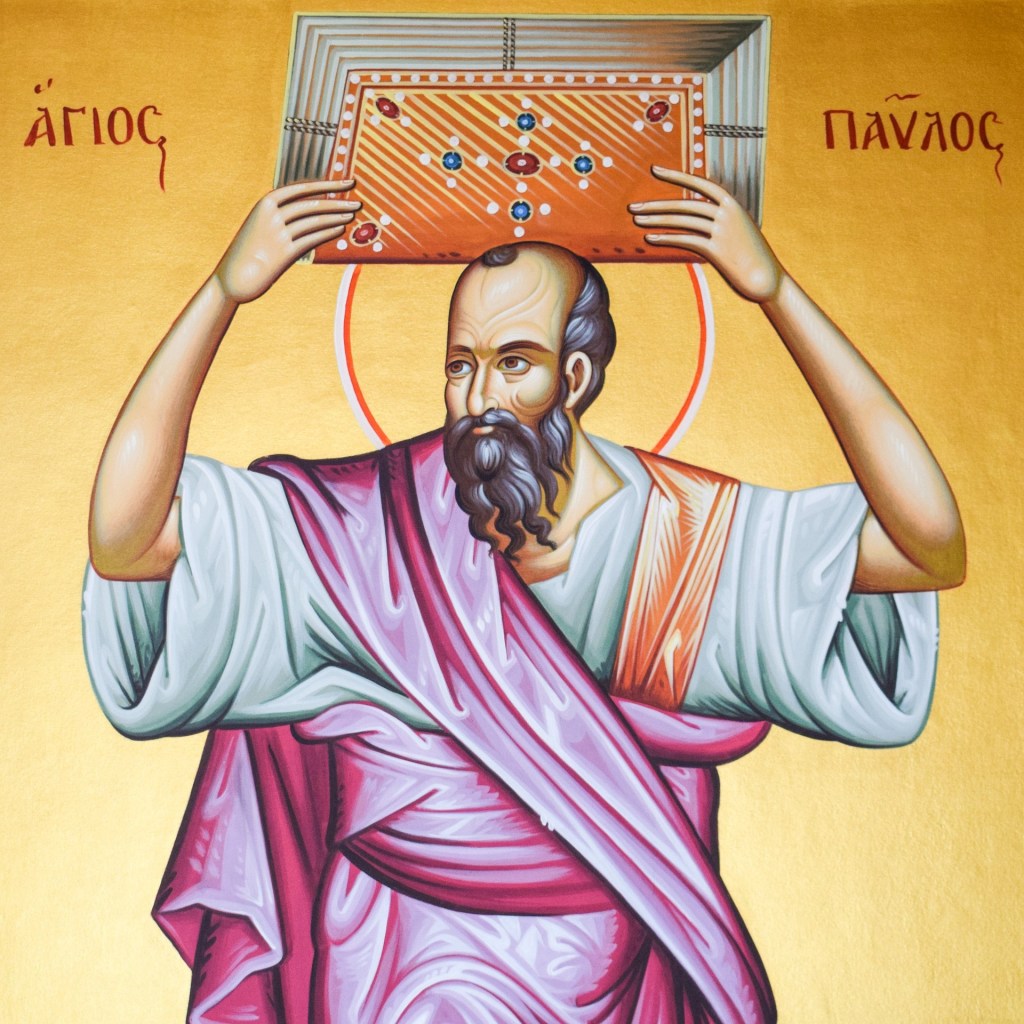
Saul’s motivation and competence are important questions, because he played a pivotal role in what the early church believed. After becoming known as Paul, he travelled widely, and established churches in many places. He wrote letters to them which form a part of our bible. And, since the final versions of the gospels are known to have been written after St Paul’s epistles, the theology of the epistles, and of the man who wrote them, must have seeped into the gospels too.
[As I look at Saul, or Paul as he became, I feel I should attach a health warning to my blog. I am not a theologian, or a bible scholar. I’m just seeking the light. I’m reading the bible because I want to know more about Jesus.]
Look at what happened in these early days of Saul’s ministry.
Saul preached in the synagogues of Damascus, where he “baffled the Jews living in Damascus by proving that Jesus is the Messiah.”
As a result of this, “After many days had gone by, there was a conspiracy among the Jews to kill him.” It took drastic action for Saul to escape.
Then Saul “moved about freely in Jerusalem, speaking boldly in the name of the Lord.”
And in the course of this, “He talked and debated with the Hellenistic Jews, but they tried to kill him.” After this, the believers in Jerusalem prudently took Saul to Caesarea and shipped him off to Tarsus.
Once Saul had gone, “the church throughout Judea, Galilee and Samaria enjoyed a time of peace and was strengthened. Living in the fear of the Lord and encouraged by the Holy Spirit, it increased in numbers.”
At least at that point in his life, Saul was trouble.
Prayer
Heavenly Father
Thank you for sending Jesus to us. Please help me to draw closer to him every day.





 Seeking the Light